

Cowboys and gold
Critiquing the geographic pull

A little over five years ago, I left Brooklyn with a full car and not feeling any lighter. I was moving across the country - indeed, up and over the entire continent - to Anchorage. I left a community and family in the place where I was born and where I spent most of my life. I remember the drive through my then-neighborhood as oddly unsentimental, my body untethered from the ground. I chose to leave, and it almost didn’t feel real.
Two days into the trip, I stopped in Minnesota to camp with friends. It was a perfect late-May evening and the world felt joyous and alive. It was dreamy to reconnect with someone from childhood alongside my other friend, from Brooklyn, who had agreed to join me on the drive. I remember waking up the next morning and not wanting to leave despite knowing I had a job, house, and new chapter waiting in Anchorage.
At the time, I didn’t say anything, and my friend and I rode along. The temperature dropped and the landscape changed and we went backwards through the seasons. We saw stark beauty and quite a few bears. But I also recall vertigo, as if my body couldn’t process the vast distance we covered at the speed of fossil fuels.
I’ve been reflecting on my status as a voluntary transplant. What it means to choose to move far from where I’m from. How a new environment forces my body to adapt, and what that does to my sense of belonging and home.
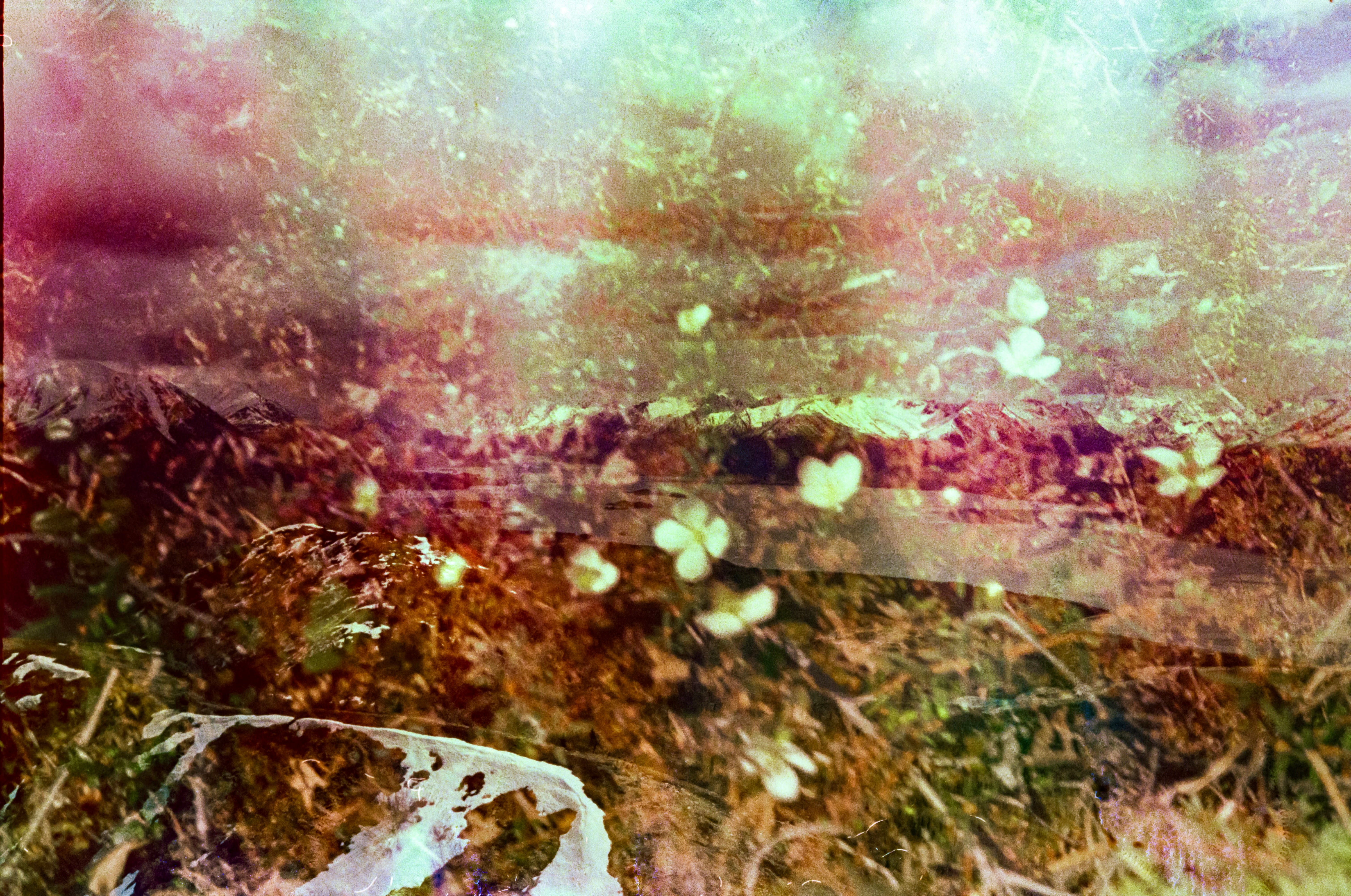
In a country founded on escape from rigid class structures and religious control, we tend to romanticize the geographic fix. Moving somewhere new, with its cowboys, prairies, and golden hills, will allow us to unleash our potential. In the early days of living somewhere, I recall a vibrant urgency. There is a lot to do, practically, to become settled, and the stress of lacking support can feel euphoric. Like sharing a forest with a bear, the threat is ever-present, which renders no moment dull.
There’s danger in conflating this urgency with deeper change. The other week I came across an interview series about people who recently moved from cities to places they deem “rural.” I opened the post, eager to relate. But instead, the narratives left me hollow. At the risk of sounding harsh, the interviews came across as voyeuristic, as if rural life is another new outfit to try on.1 Upon further reflection, they remind me of my younger self in ways that make me cringe.
Thinking back to how I would have answered those questions shortly after my big move, had I been one of the features, I probably would romanticize my decision too. I would have said things like: I feel so alive. I get to stare at mountains instead of skyscrapers and run into moose on an evening walk to the shore. The winter is dark but the sunsets are beautiful, and you can see the northern lights from the yard. I would probably be wearing a pair of used work pants I bought on eBay, despite never doing manual labor in my life, because that style is popular here.
Rereading those interviews from a more grounded place, they remind me how fun it is to feel like a tourist where I live, no matter how long I’ve lived there. To stay curious about my home, whether I chose or was born to it. My mood improves whenever I recapture that excitement, which is likely what other readers sensed too. But what I’ve learned, from experience, is that the psychological change can happen without a geographic one.
Had I been interviewed, I would have been honest about the energy a big move takes. I would have shared my reasons for leaving home and my desire to give back to the community I joined. I moved for a righteous job, providing representation to people who can’t afford an attorney; a job that would have been much more difficult to get had I stayed in New York. Over the years, I’ve remained mindful of my status as transplant and aware of how my body was not shaped by ancestral links to this place.
The same week as the interview series, I workshopped a story written by someone in my writing group about Californians who cosplay as cowboys in Montana. The story depicts what happens when wealth comes in without cultural or historical context and displaces existing towns—basically, the flip side of the interviews. It was odd to hold them both in my mind while unsure they could ever be compatible. Two stories told from enemy lines, and I knew where I wanted to be.
We are all entitled to our experiences, including the manic excitement of settling somewhere new. But as a now-jaded transplant, I wish these stories were clear about a move’s cost. Looking back on that morning in Minnesota, I wonder if my body was telling me something about where I’m from. As if the land reminded me I was only a few miles away from the former site of my family’s farm on which generations of my ancestors grew. You are suited to this climate, the Minnesotan morning said. Be careful of venturing far from what you know.
I am a visitor to this place, in the double sense of being on Native land and also compared to other, less-recent transplants whose families built this town. It’s important that I remember my status and act accordingly. Both New York and Alaska have criteria for determining when a person belongs. I’ve seen a renewed debate online, perhaps in light of New York’s recent glow-up, about who gets to claim they’re a New Yorker. Similarly, (non-Native) Alaskans use the term “sourdough” to define someone who has proven their grit by spending at least a few hard winters up north.
My frustration with the interview series is that it plays into the fantasy of the geographic fix—a fantasy that, judging by the series’ popularity, a lot of people hold. Many of us can, and are encouraged to, romanticize anything, and yet we know we’ll never outrun ourselves. A new place brings new problems, which temporarily distract from the old. I’d be curious to read a follow-up series three years from now. I want to see what happens when the literal dust settles and the fad moves on.
There might be overlap with the tradwife movement, if anyone is keen to explore that.