

Generous conditions
Experiencing polar night + an intention for 2026

To borrow from medical speak, not everyone has a good bedside manner. It’s a learned skill of going beyond what is professionally required and trying to make someone understand. Translating knowledge into care.
On Sunday, while flying back from Utqiagvik, the northernmost American city, our plane hit the worst turbulence I have experienced. The flight had been peaceful until about thirty minutes from Anchorage. That’s when we passed Denali, the massive mountain in the Alaska Range, and became suddenly aware of physics. Our bodies absorbed the altitude drops, rises, and tilts to an extent that it was impossible to remain disaffected.
Multiple adults screamed. I placed my hands on my thighs as if in ready position. Deep breaths, Hunter and I reminded ourselves, as the jolts continued. After a good few minutes, including one stretch that made me worry I might lose consciousness, the turbulence eased. People wiped their eyes and praised their gods.
We received no update from the pilots. Instead, a flight attendant delivered a garbled message that included the word “emergency” and said we needed to keep our seatbelts fastened. She then asked if medical personnel were on board. Hunter, the only volunteer, spent the rest of the flight tending to someone in distress.
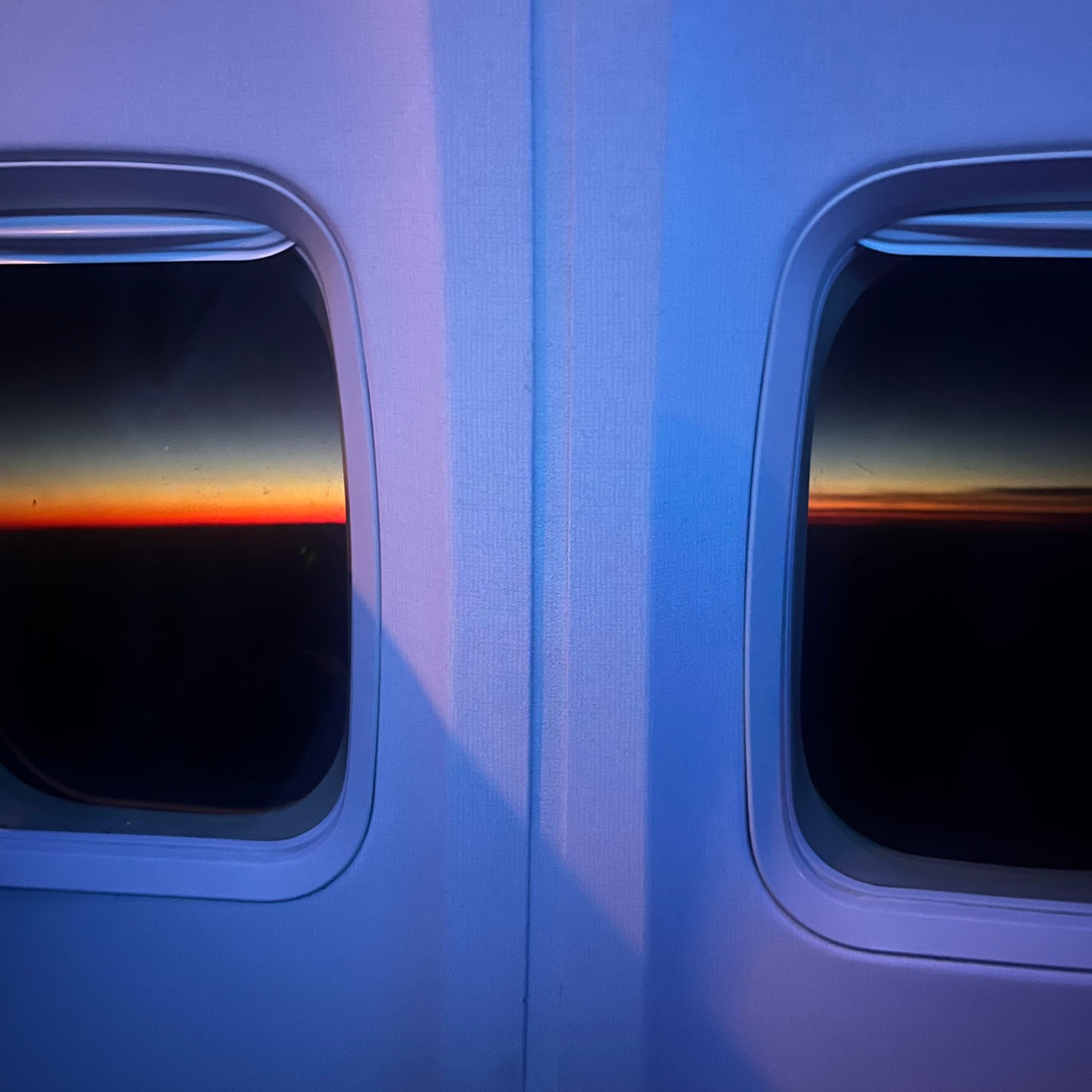
Utqiagvik experiences polar night from early December through late January, during which the sun never rises. Having grown disgruntled with Anchorage winter, we traveled there to experience a new form of dark.
It was not an easy place to visit. We arrived to a temperature of minus 40 degrees Fahrenheit, and it never got above negative 16 degrees all weekend. We could only stay outside for a few minutes before our bodies began to protest. Plus, walking exposed us to polar bears, who had been spotted outside the hotel a few days earlier.
We relied heavily on the kindness of strangers. They helped us order cabs, attend the local Christmas games, and buy food. We observed a culture that survives, and thrives, in the harshest environment because of how each person helps the other out.
What are the conditions that breed generosity? That impel some people to go beyond what is required and take additional time and energy to share? What gives some people good bedside manners and others, disinterest in that part of the job?
Back in Anchorage, after the plane had landed, Hunter and I wondered about the pilots’ silence. Why they seemingly chose not to share what should have been anticipated turbulence over the continent’s highest peak. Or, even if they had been caught off guard, if somehow the situation was more dangerous than we knew and it took all of their energy not to crash the plane, why didn’t they check in later? Say something to at least acknowledge the intensity?
Sharing requires vulnerability, which is always uncomfortable and at times dangerous without the right support. I’ve noticed that my best proverbial bedside manner emerges when I feel seen and included within the group. It’s the connection to others that makes me want to show up. Conversely, a community suffers when people retreat inward or hide behind exclusive walls.
Especially in crisis, we are reminded how much we depend on each other. How important it is to feel like we are not alone. Even in polar night, at the very edge of the world, we survived, thanks to the kindness and generosity of strangers.
As we exited the Anchorage airport, we ran into the flight attendants, who seemed like they couldn’t have gotten off of the plane fast enough. They thanked Hunter for providing medical care and we thanked them for their service. Later, we wished we could have collectively processed what happened. A chance to debrief a flight that made me wonder whether I would be content with my life were that the end. I wish I knew if, as the air threw us about, the flight attendants, as well as the likely overworked pilots, asked themselves such questions, too.
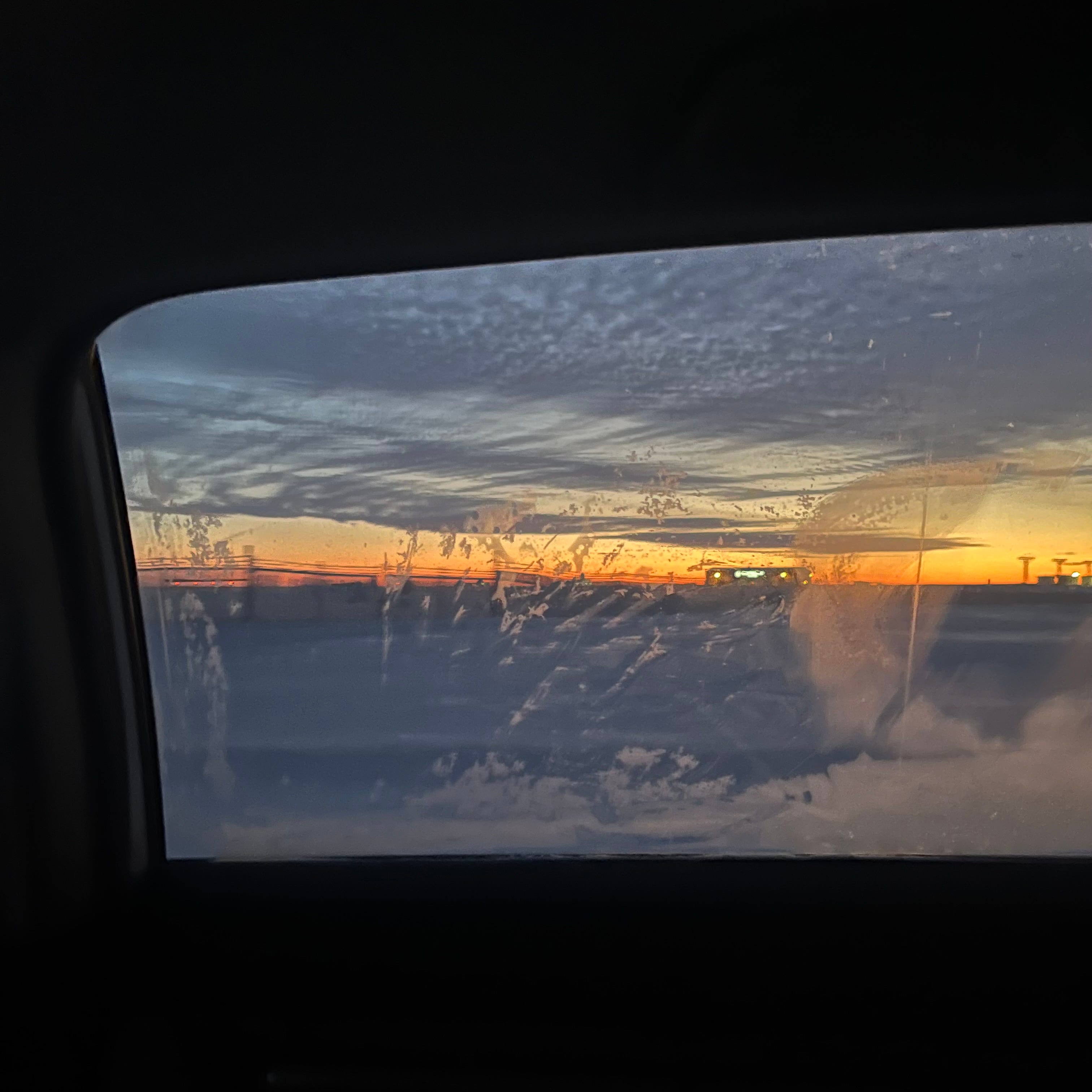
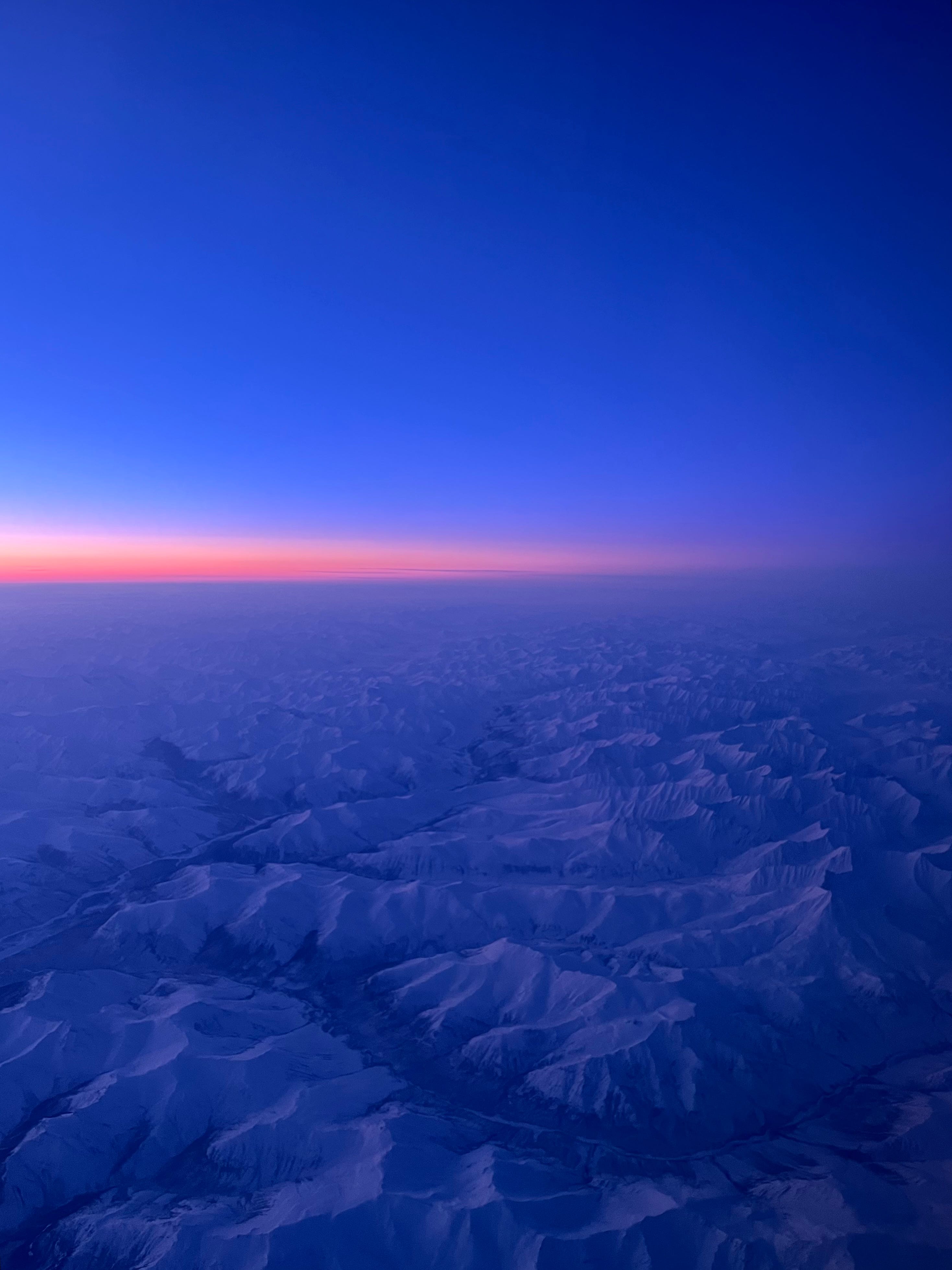
Polar night was different than expected. Despite no direct sun, the light persisted. Three hours of twilight in colors that ranged from blue to blood orange to pink and provided more than enough to see.


2025 has been wild, and I look forward to the calendar change. Let’s hope 2026 is the year of honoring our interdependence; hopefully, without the need for another harrowing trip.
Happy New Year,
Julia
P.S. I’ve been writing this newsletter for three plus+ years and have amassed quite a few posts, with accompanying photos, in the archives. Here are some links to revisit if you so choose.
Soft parts

Some things are so precious we want to keep them to ourselves. The thrill of a box to which only I hold the key.
Not at the party

The end of the year is all about parties. Now that it’s January, I can look back on last month and say that, despite some good parties, the times when I felt most nourished, the moments when I lit up, I was not at a party. Instead, I was on a friend’s couch making adult Lego flower sets.

As always, I welcome your thoughts.
Whoa, I'm so sorry you had that experience. Communication is everything, especially in crisis! I hope your entry into 2026 is peaceful.
What a harrowing experience! It does seem odd that you never heard from the pilots? Maybe send this piece to the President of the airline and see if you receive a response?